
Neighbors Data center home / For neighbors / If a facility has been proposed nearby
PATHWAY FROM PROBLEM TO SOLUTION:
If a facility has been proposed nearby
This is the point where noise-related issues can be considered in the approval process. (Once a facility is built, addressing noise becomes more difficult.) Permit applications are likely to include a noise study, and it is important to check that they measure not only what is required legally but also the characteristics of the noise needed to understand the potential impacts on the surrounding community.
Reports that rely on a single metric – the dBA – are not sufficient to predict those impacts, whether they are detrimental to activities and quality of life or adversely affect health and the environment. Supplemental metrics and methods – including dBC and narrow band frequency analyses – are required along with predictive models that account for the ability of low frequency and tonal noise to travel and penetrate walls and windows.
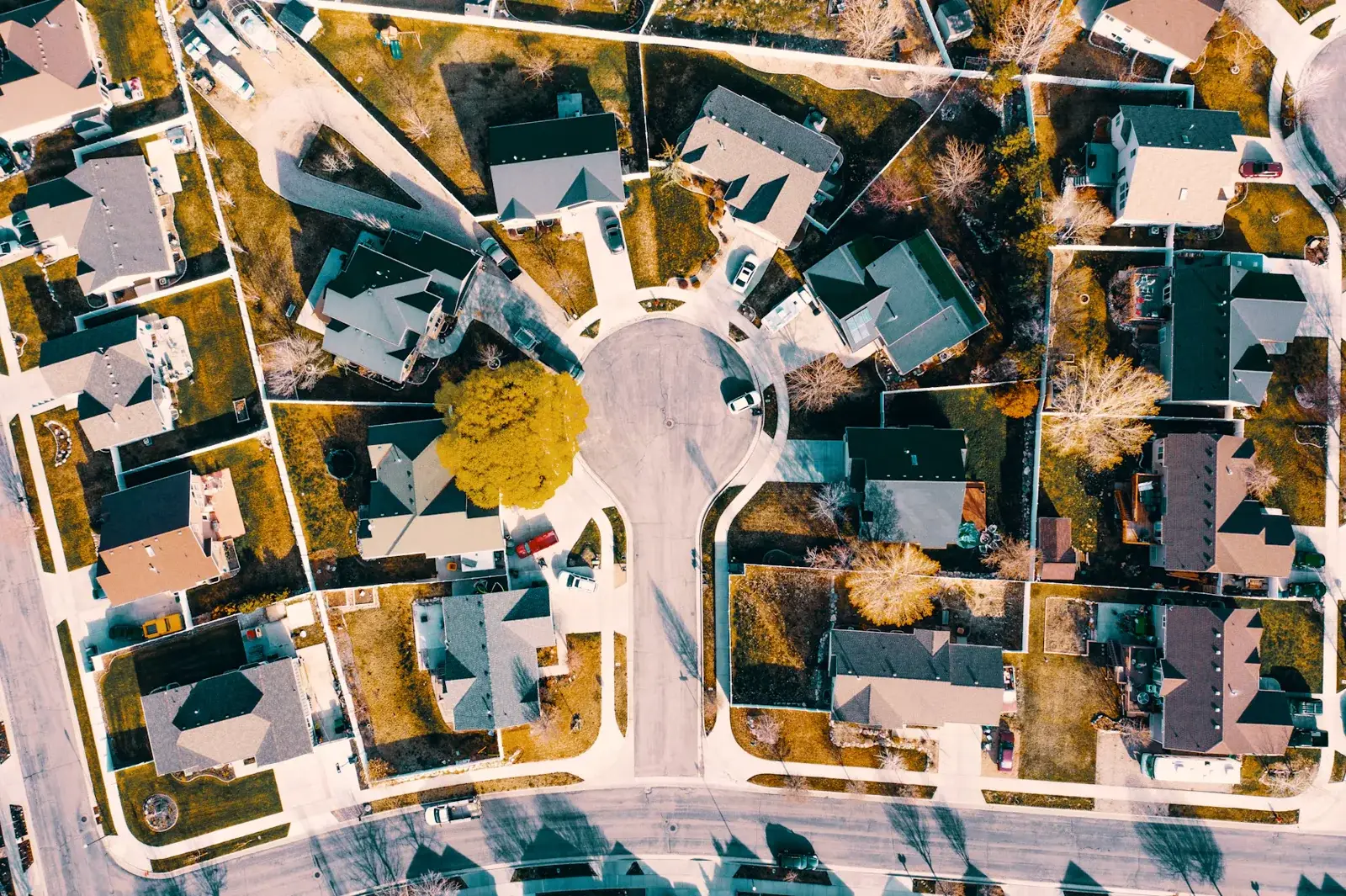

How to respond to a proposed data center
If you are submitting comments during a review process, a technically complete set of conditions tends to include:
- an independent (not developer-paid), third-party acoustical analysis evaluated under worst-case conditions, i.e, at the most sensitive locations, including homes, schools, and health facilities.
- dBC and narrow band frequency analyses in addition to dBA – taken inside and outside of receptor homes or locations.
- a tonal penalty if tonal components are present that puts the burden on the applicant to prove there's no hum or whine, rather than the reverse.
- ambient noise measurements taken before-construction on multiple days and multiple locations.
- post-construction follow-up measurements taken after the facility is running.
- nearby facilities counted together rather than measured separately.
- a named party responsible for enforcement, with real consequences for violations.
The actual filed noise study, not just the executive summary, will show whether it was conducted by an independent consultant and uses dBC and narrow band frequency analyses in addition to dBA metrics. At a hearing, questions that would likely be technically useful include: Will there be a third-party acoustical review? Will narrow band frequency analysis be used to detect the presence of tonal elements? Will there be post-construction verification? Were the appropriate metrics and models used to account for low frequency and tonal noise? And who is responsible for enforcement if the facility doesn’t comply? Several residents raising the same specific, informed questions at a hearing technically carry more weight than the same number of separate individual complaints.

This website is designed to be shared
Download, print, or send this page to a neighbor, a doctor, or a local official.